
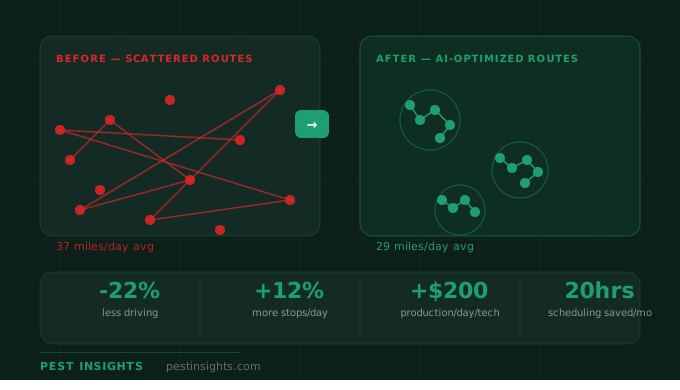
For most pest control companies we work with, techs are spending 30–40% of their day behind the wheel. That's not a people problem. It's a routing problem.
The good news: it's completely fixable — and you don't need to hire anyone, expand your territory, or buy new trucks to fix it.
The Real Reason Routes Are Inefficient
Manual route building is the root cause of almost every routing problem we see.
When a dispatcher builds routes by hand, they're making hundreds of micro-decisions under time pressure — which tech gets which customer, which day works, how to handle the new customer who just signed up, what to do when someone cancels. They do their best, but the human brain simply can't process all the geographic and logistical variables at once.
The result: routes that criss-cross unnecessarily, techs driving past each other's stops, and clusters of customers that never get visited on the same day.
Over the course of a month, those inefficiencies add up to thousands of wasted miles and dozens of missed stops.
What Optimized Routing Actually Looks Like
Route optimization isn't about making small tweaks to your existing routes. It's about rebuilding them from the ground up using your actual customer data. Here's what the process looks like when done properly:
The Results We See
When we rebuilt routes for Debug Pest Control — a multi-state pest control operator running 15 techs across Rhode Island, Massachusetts, and Connecticut — the results over 4 months were:
| Metric | Before | After |
|---|---|---|
| Avg Daily Mileage per Tech | 37 miles | 29 miles |
| Avg Stops per Day | 8.5 | 9.5 |
| Avg Daily Production per Tech | $950 | $1,150 |
| Monthly Scheduling Hours | 20+ hours | ~1 hour |
| Total Technicians | 15 | 12 |
That last row is worth sitting with. Three fewer technicians. Same customers serviced. Same revenue maintained. That's what tight routing actually delivers.
The Math on One Extra Stop Per Day
Here's a simple way to think about what routing efficiency is worth to your business.
If your techs average $130 per stop and you have 8 techs running 5 days a week, one extra stop per tech per day equals:
That's not from new customers, not from price increases, not from hiring. Just from tighter routing.
How to Get Started
The fastest way to understand what your routes could look like optimized is a route audit. At Pest Insights, we connect directly to your FieldRoutes account, analyze your current customer locations, service cycles, and tech schedules, and show you a before/after with your actual numbers — not projections based on industry averages.
The audit takes 30 minutes and there's no obligation. If the numbers make sense, we move forward. If they don't, you've lost nothing but 30 minutes.
Ready to see what your routes could look like?
Book Your Free Route Audit →